

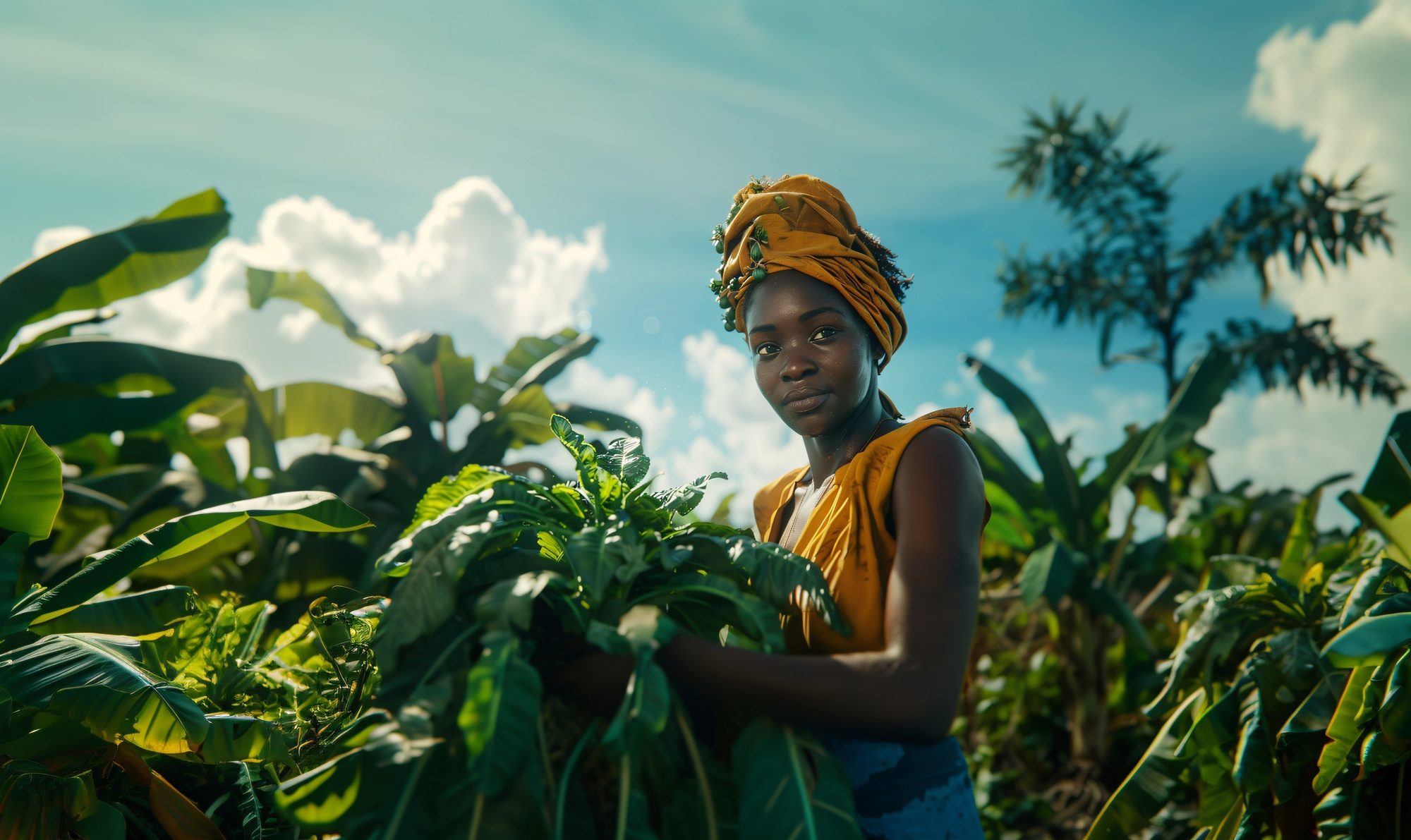
Diverse diets, year-round

Food Security and Nutrition

Diversified, resilient farming systems and nutrition-sensitive agriculture that keep food on the table between harvests, not just after them.

A household can produce enough maize for the year and still be food insecure — because the harvest arrives all at once, is sold or eaten too quickly, and provides energy without the range of nutrients a growing child needs.

ISSED works on both halves of that problem: how much food a household has, and how well it feeds them.

Our approach

  • Crop diversification so a single failed crop is not a failed year, and so the plate holds more than one thing.
  • Nutrition-sensitive agriculture — deliberately growing what closes the household’s dietary gaps, particularly for children and expectant mothers.
  • Resilient farming systems that keep producing through dry spells and irregular rains.
  • Post-harvest handling and storage that carry a household through the lean months before the next harvest.

Progress is tracked through dietary diversity, not tonnage — the number of food groups a household actually eats, measured across the year rather than in the weeks after harvest.

How we measure it

Objectives and indicators

2 Objective 2

Strengthen food security and nutrition through crop diversification and resilient, nutrition-sensitive farming systems.

Expected outcome

Households maintain stable, diverse food supplies year-round.

Indicators

  • Number of crop varieties grown per household
  • Percentage of households reporting improved food security status
  • Percentage of households reaching minimum dietary diversity score

Verified through: Household food security surveys, extension reports

Related

Recent updates

All news